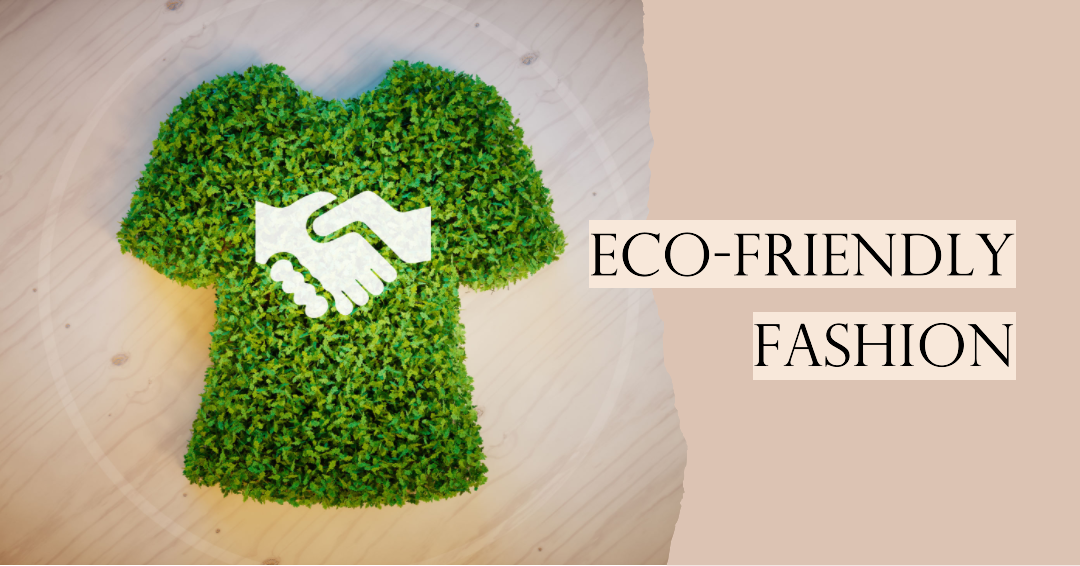
The Rise of Sustainable Fashion: How Eco-Friendly Clothing is Revolutionizing the Industry
The fashion industry is one of the largest polluters in the world, with the production and distribution of clothing contributing to greenhouse gas emissions, water pollution, and textile waste. However, a growing movement towards sustainable fashion is changing the way we think about clothing and the impact it has on the environment. From eco-friendly materials to second-hand shopping, consumers are increasingly demanding more responsible and environmentally conscious fashion options. As a result, the industry is shifting towards a more sustainable future, with brands and designers incorporating environmentally friendly practices into their production processes.
The fashion industry's environmental impact is staggering. According to a report by the Ellen MacArthur Foundation, the industry produces over 12% of global greenhouse gas emissions, with the production of synthetic fabrics like polyester and nylon being a major contributor. Additionally, the industry uses vast amounts of water, with the production of a single cotton t-shirt requiring over 1,000 gallons of water. The production and disposal of clothing also generates massive amounts of waste, with the average American generating 82 pounds of textile waste per year.
Despite these alarming statistics, the industry is slowly beginning to shift towards sustainability. Many brands are now incorporating eco-friendly materials into their designs, such as organic cotton, recycled polyester, and plant-based fabrics like hemp and bamboo. These materials not only reduce the environmental impact of production but also offer unique textures and benefits for the wearer.
One of the most significant trends in sustainable fashion is the rise of second-hand shopping. Online platforms like ThredUp and Poshmark are making it easier than ever to buy and sell gently used clothing, reducing the demand for new, resource-intensive garments. Additionally, many high-end brands are now offering second-hand options, with Gucci and Louis Vuitton launching their own resale platforms.
The Benefits of Sustainable Fashion
So, what are the benefits of sustainable fashion? For one, it reduces the environmental impact of the industry, conserving resources and reducing waste. Sustainable fashion also promotes fair labor practices, ensuring that workers are paid a living wage and work in safe conditions. Furthermore, sustainable fashion encourages consumers to think more critically about their purchasing habits, reducing impulse buys and promoting a more mindful approach to consumption.
Key Statistics on Sustainable Fashion
* 75% of consumers consider sustainability when making purchasing decisions (Source: Global Fashion Agenda)
* 60% of consumers are willing to pay more for sustainable fashion (Source: McKinsey)
* The global sustainable fashion market is projected to reach $12.8 billion by 2025 (Source: Grand View Research)
Brands Leading the Way in Sustainable Fashion
Several brands are at the forefront of the sustainable fashion movement, incorporating innovative materials and practices into their designs. Some notable examples include:
* Patagonia, which uses environmentally-friendly materials like recycled polyester and regenerative farming practices
* Reformation, which uses sustainable materials and reduces waste through its "closed-loop" production process
* Stella McCartney, which uses eco-friendly materials like vegan leather and recycled polyester
How to Make Sustainable Fashion a Part of Your Wardrobe
So, how can you make sustainable fashion a part of your wardrobe? Here are a few tips:
* Buy second-hand: Consider shopping at thrift stores or online platforms like ThredUp and Poshmark
* Invest in quality: Choose high-quality, timeless pieces that won't need to be replaced often
* Care for your clothes: Learn how to properly care for your clothes to extend their lifespan
* Avoid fast fashion: Steer clear of trendy, low-cost clothing that contributes to the industry's environmental impact
The Future of Sustainable Fashion
As the demand for sustainable fashion continues to grow, the industry is likely to undergo significant changes. Brands will need to prioritize environmental responsibility and transparency, while consumers will need to be more mindful of their purchasing habits. The future of sustainable fashion is bright, with innovative materials, technologies, and business models emerging to reduce the industry's environmental impact.
In conclusion, the rise of sustainable fashion is a significant shift in the industry, driven by consumer demand and a growing awareness of the environmental impact of the industry. As consumers, we have the power to drive change by making informed purchasing decisions and supporting brands that prioritize sustainability. By working together, we can create a more responsible and environmentally conscious fashion industry for the future.